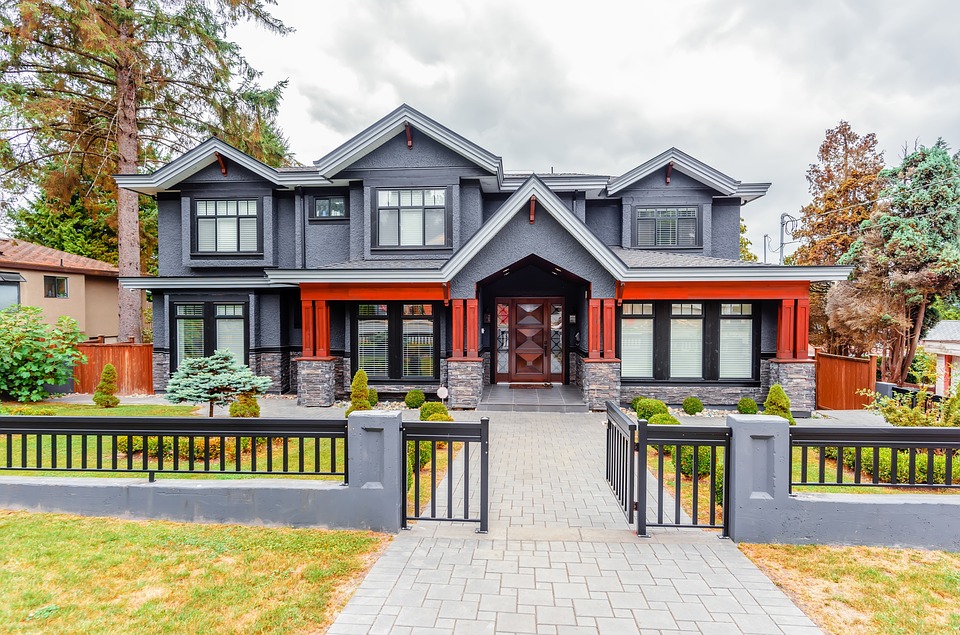
Can You Buy an Owner Occupied Property with Hard Money? What You Need to Know

Can You Buy an Owner Occupied Property with Hard Money? What You Need to Know
Hard money lenders are typically known for providing financing for real estate investors looking to purchase investment properties. However, there are some instances where individuals may consider using hard money to buy an owner-occupied property. While this is less common, it is possible under certain circumstances. In this article, we will explore the ins and outs of buying an owner-occupied property with hard money and what you need to consider before moving forward.
Understanding the Basics of Hard Money Loans
Before diving into the possibility of purchasing an owner-occupied property with hard money, it’s essential to understand the basics of hard money loans. Hard money loans are typically short-term loans provided by private investors or companies. These loans are asset-based, meaning the property itself serves as collateral for the loan. Hard money lenders are more concerned with the value of the property rather than the borrower’s creditworthiness.
Can You Buy an Owner-Occupied Property with Hard Money?
In most cases, hard money lenders do not provide financing for owner-occupied properties. This is mainly due to regulations set in place by the Dodd-Frank Act, which requires lenders to ensure that borrowers have the ability to repay the loan. Because owner-occupied properties are subject to stricter regulations and protections, hard money lenders often avoid financing these types of properties.
However, there are some exceptions to this rule. If you are purchasing an owner-occupied property with the intention of renovating it and turning it into an investment property, some hard money lenders may consider providing financing. In this scenario, the property is not considered owner-occupied once the renovations are complete, making it a viable option for hard money financing.
What You Need to Know Before Purchasing an Owner-Occupied Property with Hard Money
If you are considering using hard money to purchase an owner-occupied property, there are several key factors to keep in mind:
1. Regulations: Be aware of the regulations surrounding owner-occupied properties and hard money financing in your area. Some states have strict regulations in place that prohibit or limit the use of hard money for owner-occupied properties.
2. Loan Terms: Hard money loans typically come with higher interest rates and shorter terms than traditional loans. Make sure you understand the terms of the loan and how they will impact your financial situation.
3. Exit Strategy: Have a clear exit strategy in place before purchasing an owner-occupied property with hard money. Whether you plan to refinance with a traditional lender or sell the property, knowing how you will repay the loan is crucial.
4. Financial Stability: While hard money lenders are less concerned with credit scores, they still want to ensure that you have the financial stability to repay the loan. Be prepared to provide documentation of your income and assets to support your loan application.
In Conclusion
While it is possible to purchase an owner-occupied property with hard money under certain circumstances, it is not a common practice. Before moving forward with this type of financing, it is essential to understand the regulations, loan terms, exit strategy, and your own financial stability. If you are considering using hard money to purchase an owner-occupied property, consult with a real estate expert or financial advisor to ensure that it is the right decision for your situation.