
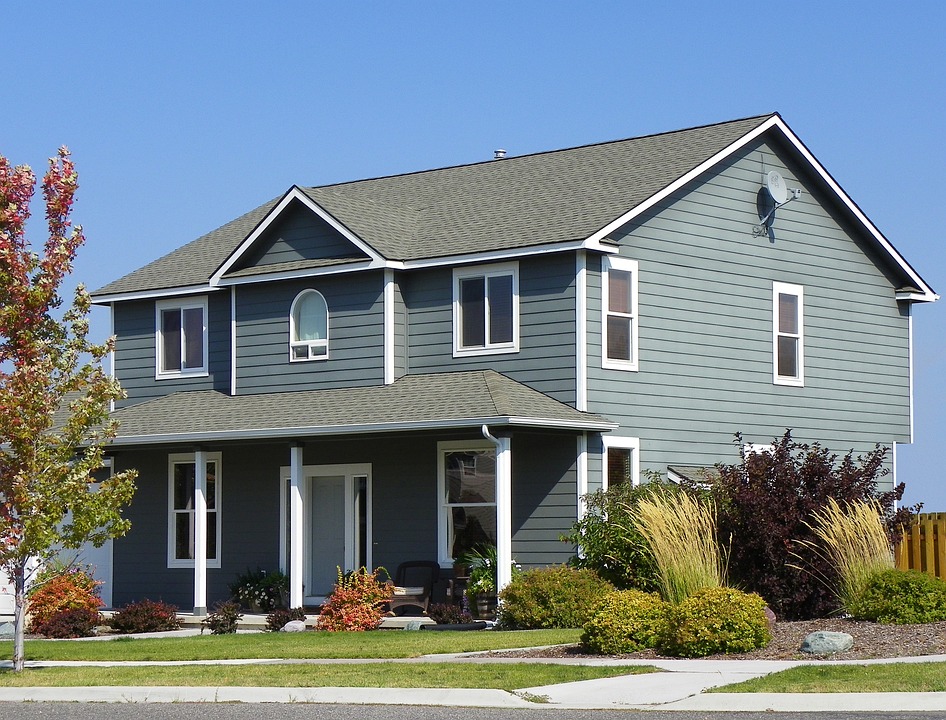
Can I Use Hard Money to Purchase an Owner Occupied Property?

Title: Can I Use Hard Money to Purchase an Owner-Occupied Property?
Introduction
When it comes to purchasing real estate, many buyers turn to hard money lenders for quick financing solutions. Hard money loans are typically used for investment properties, but can they also be used to purchase an owner-occupied property? In this article, we will explore this question and provide insights for potential borrowers.
What is a Hard Money Loan?
A hard money loan is a type of short-term financing that is secured by real estate. Unlike traditional loans that are based on the borrower’s creditworthiness and income, hard money lenders focus primarily on the value of the property being used as collateral. These loans are typically used by real estate investors and flippers who need quick funding for a property purchase or renovation project.
Using Hard Money for Owner-Occupied Properties
In general, most hard money lenders will not finance owner-occupied properties. This is because hard money loans are meant for short-term investment purposes, and owner-occupied properties are considered to be a higher risk for lenders. Additionally, there are strict regulations in place for owner-occupied loans that hard money lenders may not be able to comply with.
However, there are some exceptions to this rule. Some hard money lenders may be willing to finance owner-occupied properties under certain circumstances. For example, if the property is in significant distress and needs substantial repairs, a lender may consider providing financing. The borrower would need to demonstrate that they have a solid exit strategy in place, such as refinancing with a traditional lender once the property is repaired and stabilized.
It is important to note that using hard money for an owner-occupied property can be risky. Hard money loans typically come with higher interest rates and fees, which can be burdensome for borrowers who plan to live in the property long-term. Additionally, the short-term nature of hard money loans may not be suitable for owner-occupied properties, as borrowers may struggle to refinance or sell the property within the loan term.
Alternatives to Hard Money for Owner-Occupied Properties
If you are looking to purchase an owner-occupied property, there are several alternative financing options available to you. Traditional mortgage lenders, such as banks and credit unions, offer competitive rates and terms for owner-occupied properties. FHA loans and VA loans are government-backed programs that provide low down payment options for eligible borrowers.
Another option is to explore private lenders or crowdfunding platforms that specialize in financing owner-occupied properties. These lenders may offer flexible terms and quicker approval processes compared to traditional lenders. Additionally, you may consider partnering with a co-borrower or seeking financial assistance from family members to purchase the property.
Conclusion
In conclusion, while it is generally not recommended to use hard money for owner-occupied properties, there are some exceptions to this rule. Borrowers should carefully consider the risks and challenges associated with using hard money for an owner-occupied property and explore alternative financing options that may be more suitable for their needs. As always, it is important to consult with a qualified real estate expert or financial advisor before making any decisions related to property purchase and financing.


