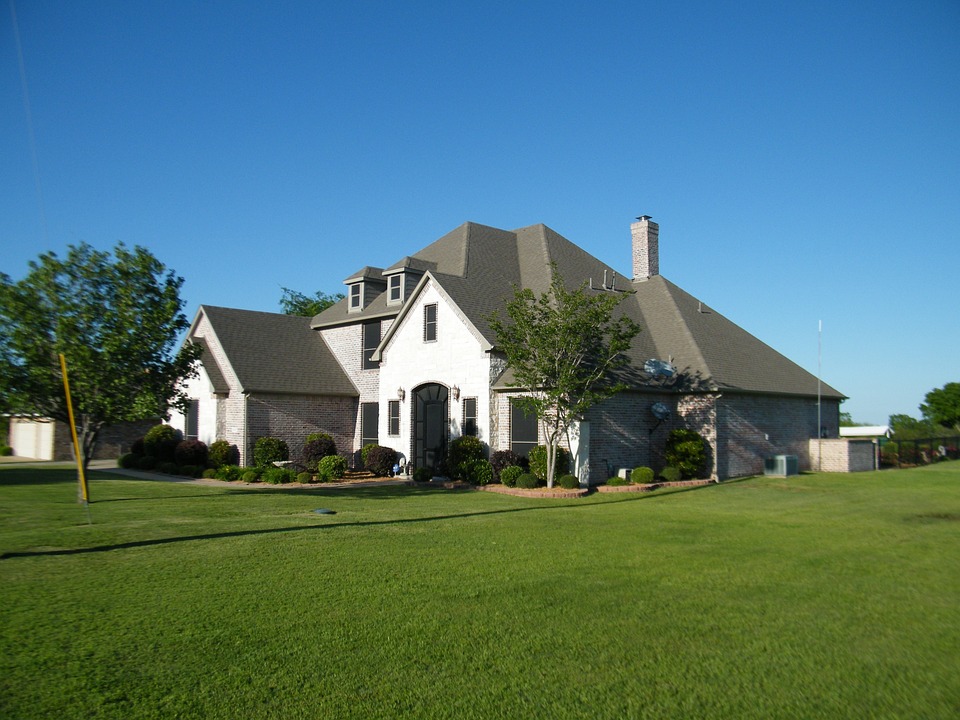
Can I Purchase an Owner Occupied Property with Hard Money?

Title: Can I Purchase an Owner Occupied Property with Hard Money?
Introduction
Many people are familiar with using hard money loans to finance investment properties, but can you use a hard money loan to purchase an owner-occupied property? In this article, we will explore the ins and outs of using hard money for owner-occupied properties.
What is a Hard Money Loan?
A hard money loan is a type of short-term loan that is secured by real estate. These loans are typically used by real estate investors who need financing quickly or who may not qualify for traditional bank loans. Hard money lenders are private individuals or companies who lend money based on the value of the property being used as collateral.
Primary Residence vs. Owner-Occupied Property
Before diving into whether you can use a hard money loan for an owner-occupied property, it’s important to differentiate between a primary residence and an owner-occupied property. A primary residence is the home where you live, while an owner-occupied property is a property that is used as a residence by the owner but may not be their primary residence.
Can You Use Hard Money for Owner-Occupied Properties?
While hard money loans are primarily used for investment properties, there are some hard money lenders who may be willing to provide financing for owner-occupied properties. However, it can be more challenging to find a hard money lender who is willing to finance an owner-occupied property due to the increased regulatory requirements and potential risk involved.
Regulatory Compliance
Lenders who provide loans for owner-occupied properties are subject to additional regulations and scrutiny to ensure consumer protection. In contrast, hard money lenders who focus on investment properties are not subject to the same level of regulatory oversight. Therefore, hard money lenders may be more reluctant to provide financing for owner-occupied properties to avoid potential legal issues.
Higher Interest Rates and Fees
Since owner-occupied properties are considered riskier investments for lenders, hard money loans for these types of properties may come with higher interest rates and fees compared to loans for investment properties. Borrowers should be prepared for these increased costs when considering using a hard money loan for an owner-occupied property.
Alternatives to Hard Money Loans
If you are unable to secure a hard money loan for an owner-occupied property, there are other financing options available. Traditional mortgage lenders, credit unions, and government-backed loan programs such as FHA and VA loans may be viable alternatives for financing an owner-occupied property.
Conclusion
While it is possible to use a hard money loan for an owner-occupied property, it can be more challenging to find a lender willing to provide financing due to regulatory compliance and increased risk. Borrowers should be aware of the higher interest rates and fees associated with hard money loans for owner-occupied properties and consider alternative financing options if necessary. It is important to thoroughly research and compare lenders to determine the best financing options for your specific situation.